
The Consequences of Not Addressing Plumbing Leaks
By Frank Francis | October 29, 2026
Plumbing leaks are frequently dismissed as minor inconveniences, yet their cumulative effects can devastate a residential property if ignored. Moisture issues within a domestic plumbing network stem from deteriorating pipe walls, worn seals, loose fittings, or improperly installed fixtures. Over time, what begins as an unnoticeable trickle beneath a cabinet or behind drywall can rapidly escalate into severe structural decay, health hazards, and mounting financial strain. Property owners who overlook these subtle warning signs often find themselves facing extensive remediation efforts that could have been avoided through timely maintenance. Enlisting experienced local plumbers at the earliest indication of moisture allows homeowners to intercept damage before it compromises living spaces, household assets, and everyday comfort.
Protect Foundation and Structural Framing
Plumbing leaks that seep into the lower recesses of a building introduce severe structural vulnerabilities, particularly to the concrete foundation and timber framing. Water pooling around the base of a structure gradually erodes soil, degrades concrete footings, and forces existing hairline cracks to widen under hydrostatic pressure. As moisture saturates structural materials, the load-bearing capacity of foundation walls diminishes, creating an unstable base for the entire building. Unchecked sub-slab leaks can cause the underlying ground to heave or settle unevenly, resulting in sloping floors, misaligned framing, and exterior masonry fractures that threaten structural stability.
Prolonged dampness within crawl spaces or basement environments also attacks wooden support beams, subflooring, and sill plates through moisture absorption. Wood that stays damp for extended periods loses structural density and becomes susceptible to dry rot, which compromises the frame from within. Because these critical supports remain hidden from daily view, substantial degradation can occur long before surface symptoms manifest. Scheduling routine assessments with qualified local plumbers provides homeowners with advanced detection tools that locate sub-surface pipe leaks, ensuring structural timbers and foundation slabs remain dry, intact, and structurally sound.
Preserve Interior Walls and Flooring
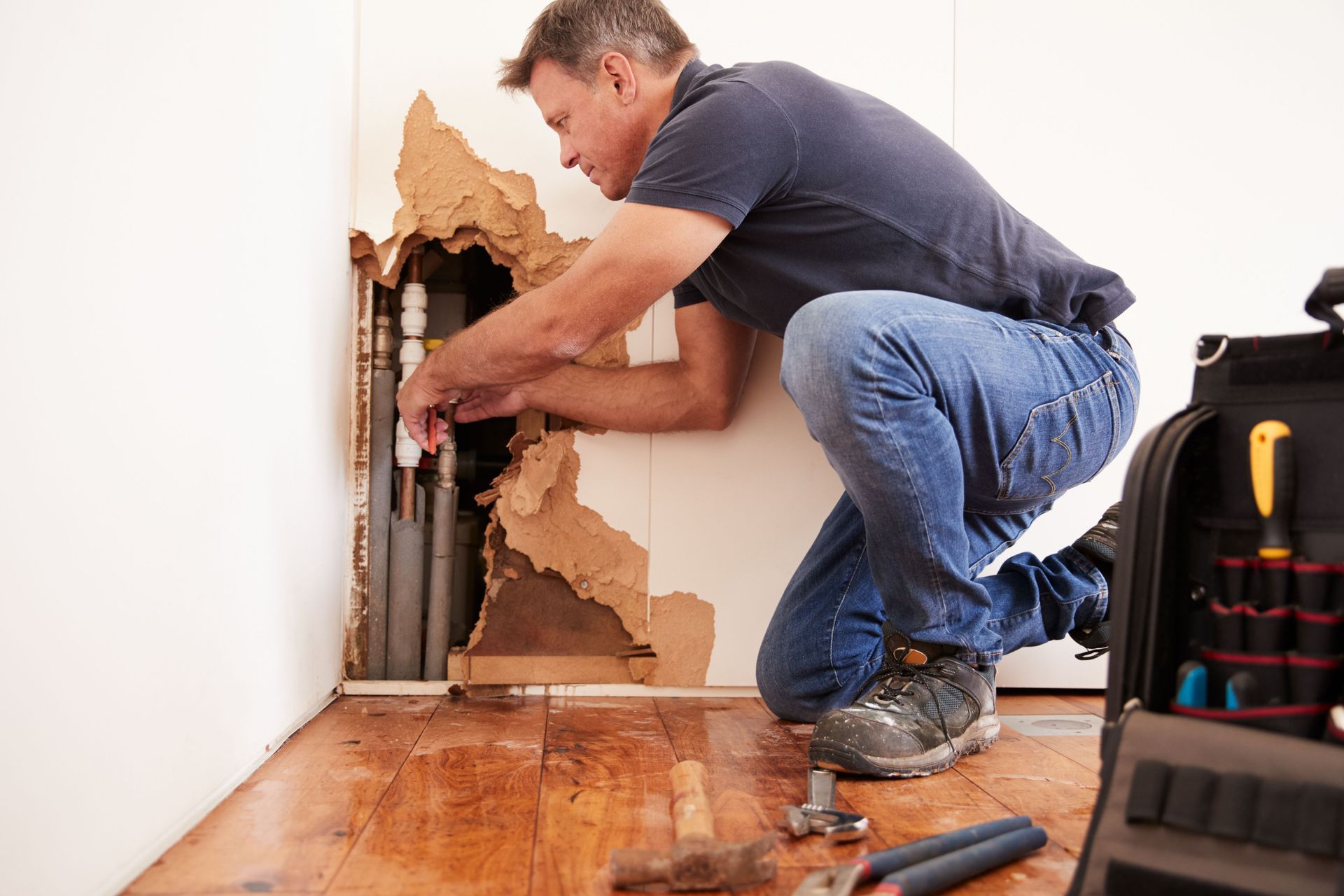
Moisture migrating from leaking supply lines or drainage pipes wreaks havoc on interior drywall, plaster finishes, and decorative surfaces. Drywall absorbs water rapidly, causing panels to soften, swell, and separate from structural wall studs. Visual indicators such as bubbling paint, peeling wallpaper, water rings, and crumbling sheetrock indicate that internal moisture has already saturated the wall cavities. When pipes leak between stories, upper-level moisture trickles down through ceiling joists, producing unsightly stains, ceiling sag, and eventual plaster collapse that exposes building cavities to open air.
Flooring materials face similar devastation when concealed pipes release water across subfloors and finished coverings. Hardwood planks warp, cup, and split as they absorb moisture, while ceramic tiles loosen because dampness disintegrates the adhesive mortar bond beneath them. Carpeting, vinyl planking, and laminate surfaces trap standing water underneath, creating persistent damp pockets that deteriorate underlayment materials. Homeowners should engage skilled local plumbers to perform comprehensive leak detection when floors exhibit soft spots, buckling, or unexpected warmth, preventing the need for total subfloor reconstruction and costly flooring replacements.
Safeguard Household Indoor Air Quality
Unresolved water leaks foster an environment ripe for mold and mildew growth, which severely degrades indoor air quality throughout a residence. Fungal colonies establish themselves on damp drywall, cellulose insulation, ceiling tiles, and carpet padding when persistent dampness is present. As mold flourishes, it releases microscopic spores and volatile organic compounds into the household air circulation system. Inhaling these airborne pollutants on a regular basis irritates respiratory passages, producing chronic coughing, throat irritation, nasal congestion, and sinus headaches among residents who spend extended periods indoors.
Deteriorating air quality poses significant hazards for vulnerable household members, including young children, seniors, and individuals diagnosed with asthma or chronic bronchitis. Persistent dampness intensifies allergic reactions, triggering frequent asthma flare-ups and long-lasting bronchial distress that resists ordinary household cleaning. Simple surface treatments or air fresheners cannot resolve the problem because the moisture feeding fungal colonies remains hidden inside structural walls. Consulting reputable local plumbers ensures the underlying source of pipe leakage is completely severed, eliminating the moisture supply that enables airborne contaminants to compromise indoor living spaces.
Minimize Microbial and Bacterial Hazards
Stagnant water resulting from persistent plumbing leaks creates fertile breeding grounds for harmful bacteria and pathogenic microorganisms. Leaks occurring around bathroom fixtures, kitchen drains, and sewer pipes often carry graywater or blackwater containing dangerous contaminants that accumulate in poorly ventilated spaces. When wastewater pools under sinks, behind cabinets, or within crawlspaces, bacteria thrive in the warm, humid microclimate. Contact with surfaces affected by contaminated water elevates the risk of severe skin infections, contact dermatitis, and recurring rashes among household occupants.
Microbial proliferation near food preparation areas or residential water supply lines represents an even more concerning hazard to family health. Pathogens can spread through accidental contact or pest activity, potentially causing gastrointestinal illness, persistent nausea, and severe stomach distress. Pests such as cockroaches, drain flies, and rodents are drawn to hidden plumbing leaks, introducing further biological contaminants into living areas. By relying on licensed local plumbers to locate and repair pipe faults promptly, property owners maintain sanitary living conditions and prevent microbial contamination from spreading throughout household spaces.
Reduce Wasteful Water Utility Expenses
Concealed plumbing leaks represent a continuous, invisible drain on household finances through elevated utility expenses that accumulate month after month. Minor drip rates from corroded fittings, silent toilet tank leaks, and sub-surface pipe fractures can discharge substantial volumes of water without displaying obvious pooling. According to the Environmental Protection Agency, a typical American household squanders roughly 10,000 gallons of water each year as a consequence of undetected plumbing defects. These massive volumes of lost water translate into severe utility bill spikes that needlessly burden family budgets while placing unneeded strain on municipal supply reservoirs.
Monitoring monthly water bills provides homeowners with an essential diagnostic tool for detecting hidden system leaks before catastrophic failures occur. An unexpected increase in consumption without a corresponding change in household habits strongly points to a ruptured pipe, a failing pressure regulator, or a subterranean line break. Installing smart water monitoring systems can assist in tracking real-time usage, but physical repairs demand expert technical intervention. Experienced local plumbers possess the pressure-testing equipment necessary to trace hidden water loss accurately, helping households eliminate wasteful water consumption and lower utility costs.
Prevent Costly Long-Term Restoration Demands
Postponing plumbing repairs inevitably magnifies restoration costs because hidden moisture continually expands its destructive footprint. A minor pipe repair that requires straightforward sealing can swiftly transform into an extensive reconstruction project involving structural framing, insulation replacement, and electrical rewiring. Water migrating through wall cavities frequently interacts with electrical conduits, creating hazardous corrosion and short circuits that escalate remediation complexity. Homeowners who delay repairs hoping to save money often discover that minor issues compound into overwhelming repair projects spanning multiple building trades.
Insurance complexities further compound the financial risks associated with neglected plumbing leaks. Standard homeowner insurance policies generally cover sudden and accidental water damage, yet claims adjusters frequently deny coverage if investigation reveals long-standing, unresolved water infiltration. Insurers often classify persistent leaks as preventable maintenance neglect, leaving the property owner fully responsible for out-of-pocket restoration expenses. Partnering with dependable local plumbers for timely system inspections preserves property value, provides verified maintenance documentation, and protects homeowners from catastrophic out-of-pocket expenses resulting from unchecked plumbing decay.
Plumbing leaks never resolve on their own; instead, they continually expand in scope, threatening structural components, family health, and financial security. Vigilant property owners who identify warning signs early and seek prompt professional assistance preserve their living environments against extensive water damage. Protect your household investments by taking decisive action before subtle drips develop into expensive structural emergencies. Reach out to our dedicated team at Trails End Plumbing Services today so we can inspect your pipes, resolve hidden leaks, and secure your home.

Share On: