
5 Common Plumbing Repairs and How to Avoid Them
By Frank Francis | July 21, 2026
Maintaining a home requires constant vigilance, and few systems are as vital yet frequently overlooked as the network of pipes running behind the walls. Plumbing systems provide the essential foundation for daily comfort, clean water delivery, and safe waste removal. When everything operates smoothly, it is easy to take these complex configurations for granted. However, even minor disruptions can quickly spiral into major headaches, threatening the physical structure of a residence and interrupting daily routines. Understanding how these systems function and identifying potential problem areas early can dramatically reduce the stress and financial burden associated with unexpected failures.
The key to long-term property maintenance lies in establishing a proactive strategy rather than waiting for an emergency to unfold. Many households deal with the fallout of delayed upkeep, experiencing everything from subtle drips to sudden structural damage. Addressing these issues before they escalate is not just about convenience; it is about preserving the value of the investment made in a home. By focusing on consistent system management and recognizing the subtle warning signs of deterioration, property owners can ensure their piping network remains functional and efficient for years to come.
1. Noticing Faucet Leaks
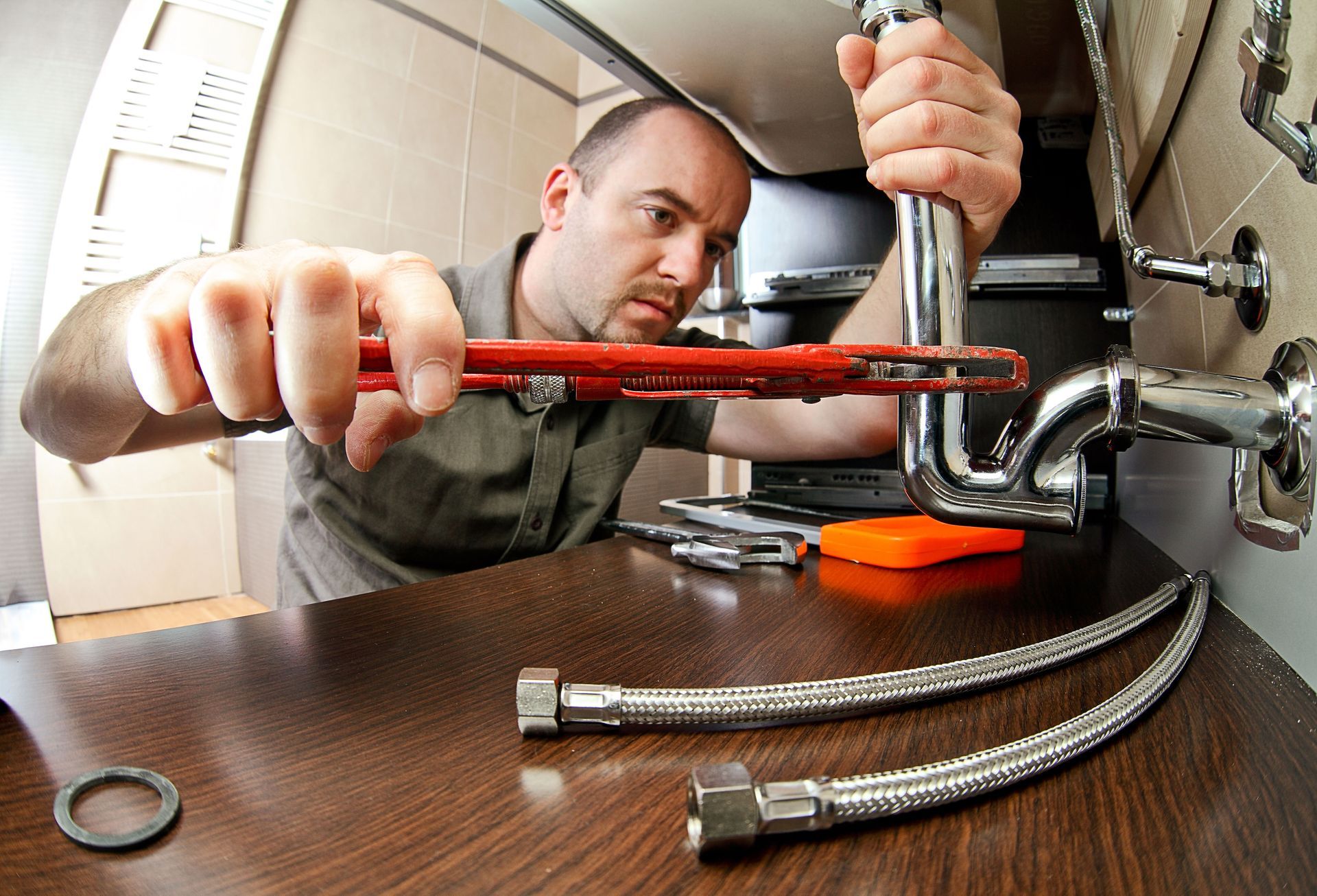
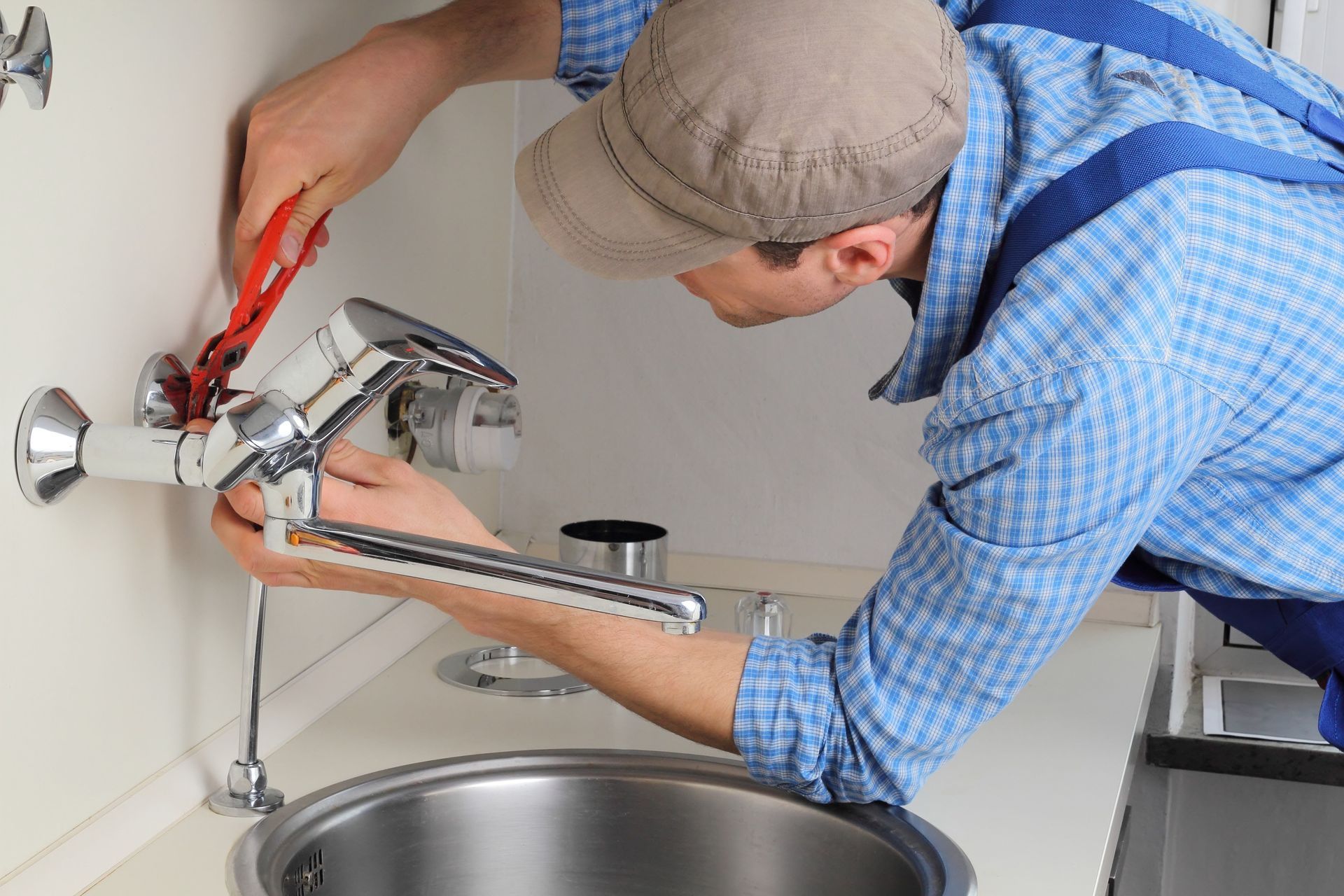
A leaky faucet not only wastes water but also contributes to higher utility bills. According to iPropertyManagement, even a small leak can increase the average household water bill by 10%. Identifying the root cause of the leak is the first step toward fixing and preventing this common issue. Over time, internal components such as washers, O-rings, and cartridges degrade due to friction and the continuous flow of water. This gradual wear allows water to bypass seals, resulting in the steady dripping that disrupts quiet evenings and quietly drains household budgets.
To mitigate this frequent annoyance, routine inspections of all fixtures should be integrated into regular household care. Hard water minerals can accumulate inside the fixture housing, accelerating the degradation of rubber seals and causing premature failure of the assembly. Addressing these small imperfections early keeps the system tight and prevents moisture from seeping into surrounding cabinetry. When a fixture begins to show signs of persistent dripping despite basic maintenance, securing a professional evaluation from a local plumbing service ensures that the underlying mechanism is restored correctly without risking damage to high-end finishes.
2. Unclogging Drain Blockages
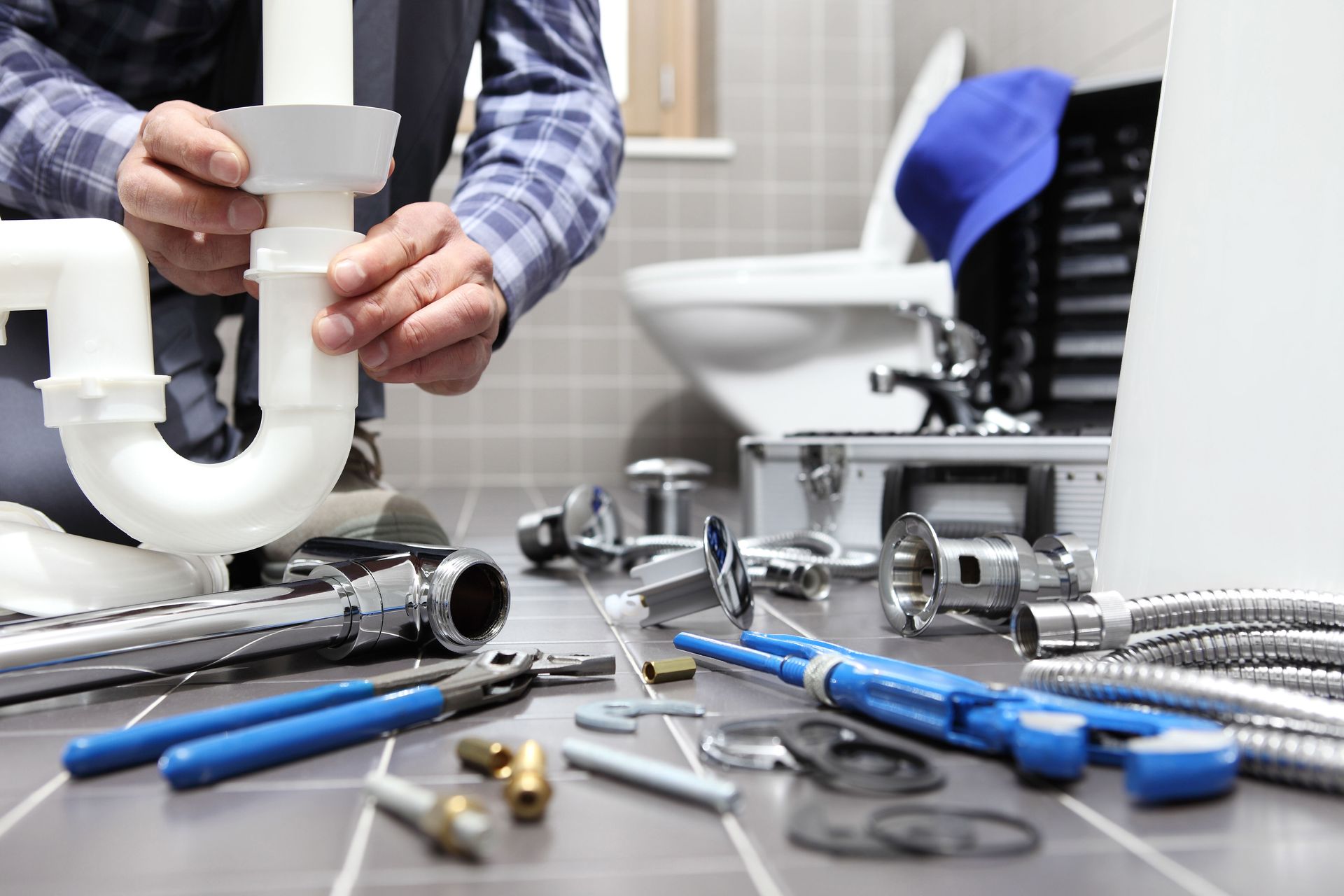
Slow drainage is a clear indicator that debris is accumulating within the wastewater pipes, narrowing the pathway available for water flow. In the kitchen, this is frequently caused by coagulated fats and microscopic food particles that adhere to the pipe walls. In the bathroom, hair strands combine with soap scum to form dense blockages that resist standard clearing methods. Ignoring these early warning signs often results in complete blockages, backing up wastewater into sinks, tubs, or appliances and creating unsanitary conditions.
Maintaining clear pathways requires a combination of mindful habits and regular rinsing. Implementing physical screens to catch debris before it enters the waste line is an exceptionally effective strategy for minimizing accumulation. Regularly flushing the lines with large volumes of boiling water can also help liquefy minor fat deposits before they harden into impenetrable obstructions. If a blockage becomes recurring or affects multiple fixtures simultaneously, it typically points to a deeper issue within the main sewer line that requires the advanced diagnostic tools of a local plumbing service.
3. Regulating Running Toilets
A toilet that runs continuously can waste hundreds of gallons of water every day, often without making a significant amount of noise. This issue usually originates within the internal tank mechanisms, where the rubber flapper may fail to form a watertight seal against the flush valve seat. Alternatively, the float mechanism might be misaligned, causing water levels to rise above the overflow tube and drain continuously into the bowl. Because these components are hidden beneath the tank lid, the problem can persist unnoticed for weeks, manifesting primarily as a shocking increase on the monthly utility statement.
Managing this issue involves monitoring the behavior of the fixture after every flush to ensure the cycle terminates fully. Over time, the chemical treatments used in municipal water supplies can cause the flexible rubber parts inside the tank to become brittle and misshapen. Replacing these worn components promptly restores the integrity of the flush cycle and stops the unnecessary consumption of treated water. When simple component adjustments do not resolve the constant running, it is wise to consult a local plumbing service to inspect the entire assembly and ensure optimal water conservation.
4. Observing Water Pressure
Experiencing a sudden or gradual drop in water pressure can transform simple daily tasks into frustrating chores. This phenomenon can be localized to a single fixture due to a clogged aerator screen, or it can affect the entire household, indicating a more widespread issue. Systemic pressure drops are often linked to mineral scaling within the main supply lines, a malfunctioning pressure regulating valve, or hidden breaches in the distribution network. Pinpointing the exact source of the pressure loss is essential for determining the scope of the necessary corrective actions.
Addressing widespread pressure drops requires a systematic analysis of the supply line from the point of entry onward. If the issue is caused by severe mineral buildup in older piping materials, the interior diameter of the pipes becomes constricted, choking the flow of water to appliances and showers. Monitoring pressure levels helps protect appliances like dishwashers and washing machines from premature wear caused by inadequate supply. For complex diagnostics involving underground lines or main valves, partnering with a local plumbing service provides the clarity needed to restore proper flow safely.
5. Insulating Vulnerable Pipes
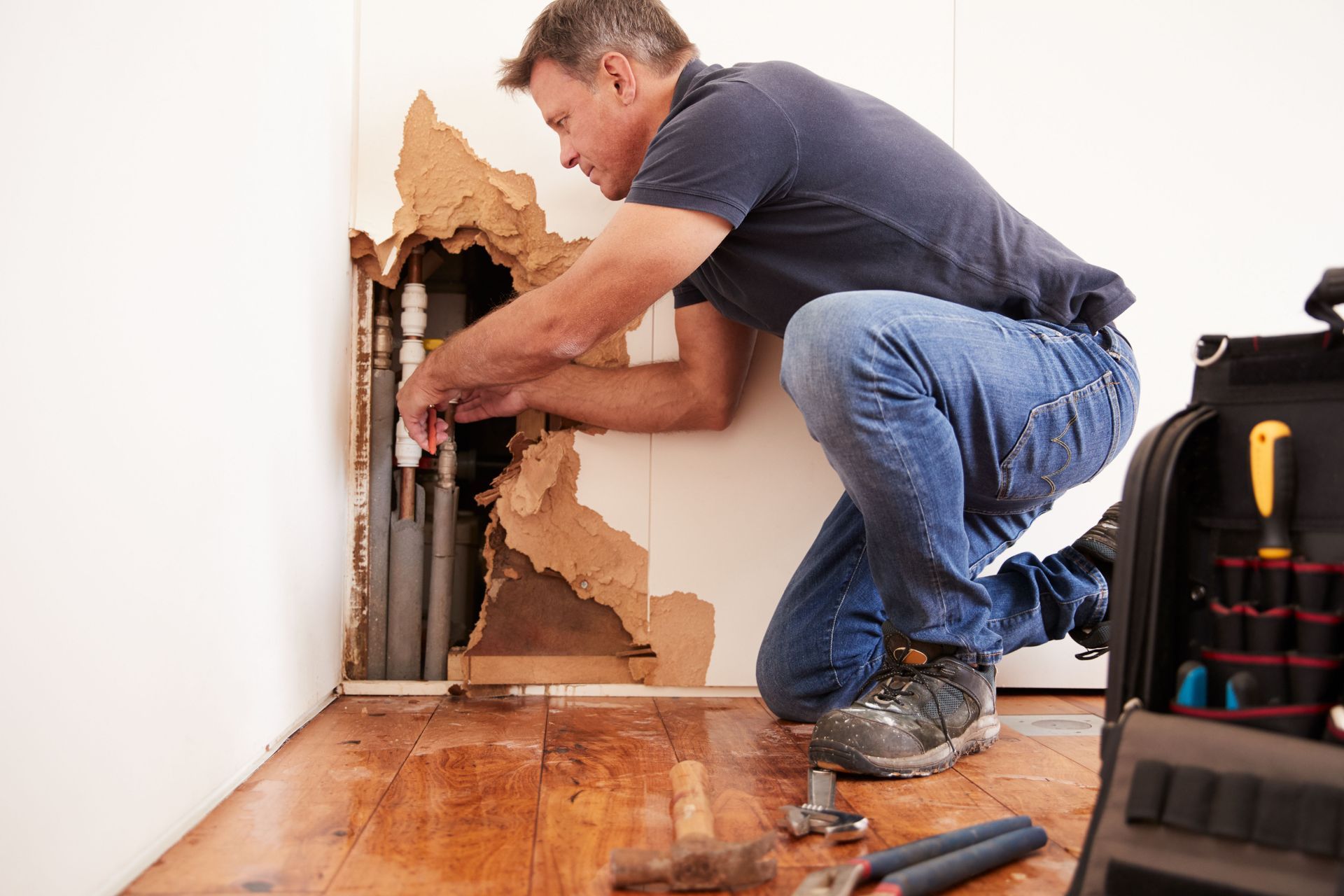
Hidden pipe leaks represent one of the most destructive threats to a home because they can remain concealed behind drywall or beneath flooring for extended periods. These slow leaks gradually rot wooden framing, compromise structural integrity, and foster the growth of hidden mold spores. Environmental factors, such as shifting foundations or extreme temperature drops that cause water to freeze and expand within the lines, frequently induce these structural failures. Regular monitoring of exposed lines in basements, crawlspaces, and utility rooms is a crucial defensive measure against catastrophic water damage.
Protecting these vital conduits involves proactive environmental management, particularly during the colder seasons of the year. Applying high-quality foam insulation to exposed pipes safeguards them from freezing temperatures and minimizes the thermal stress that leads to fractures. Furthermore, keeping a close eye on the water meter during periods of zero usage can reveal the presence of hidden leaks before visible stains appear on ceilings. When a hidden leak is suspected due to unexplained drops in pressure or damp spots, contacting a local plumbing service immediately can mitigate damage and save thousands in structural remediation.
Maintaining the health of a residential piping network demands consistent attention, early diagnostic awareness, and a willingness to seek expert assistance when technical challenges arise. By understanding the root causes of common household plumbing dilemmas, property owners can implement effective preservation strategies that safeguard their assets and reduce overall operational expenses. Taking care of these systems ensures that clean water flows reliably and waste is removed safely, preserving the comfort and security of the household.
When plumbing issues surpass basic maintenance boundaries, attempting complex interventions without specialized equipment can lead to accidental system damage and heightened expenses. Property owners in need of reliable assistance should reach out to Trails End Plumbing, a dedicated
local plumbing service equipped to handle complex diagnostics, system upgrades, and emergency interventions with precision. Entrusting your infrastructure to licensed professionals guarantees compliance with local building codes, ensures long-term operational safety, and provides lasting peace of mind for your household.

Share On: