
Seasonal Plumbing Tips: Preparing Your Home for Winter
By Frank Francis | January 23, 2026
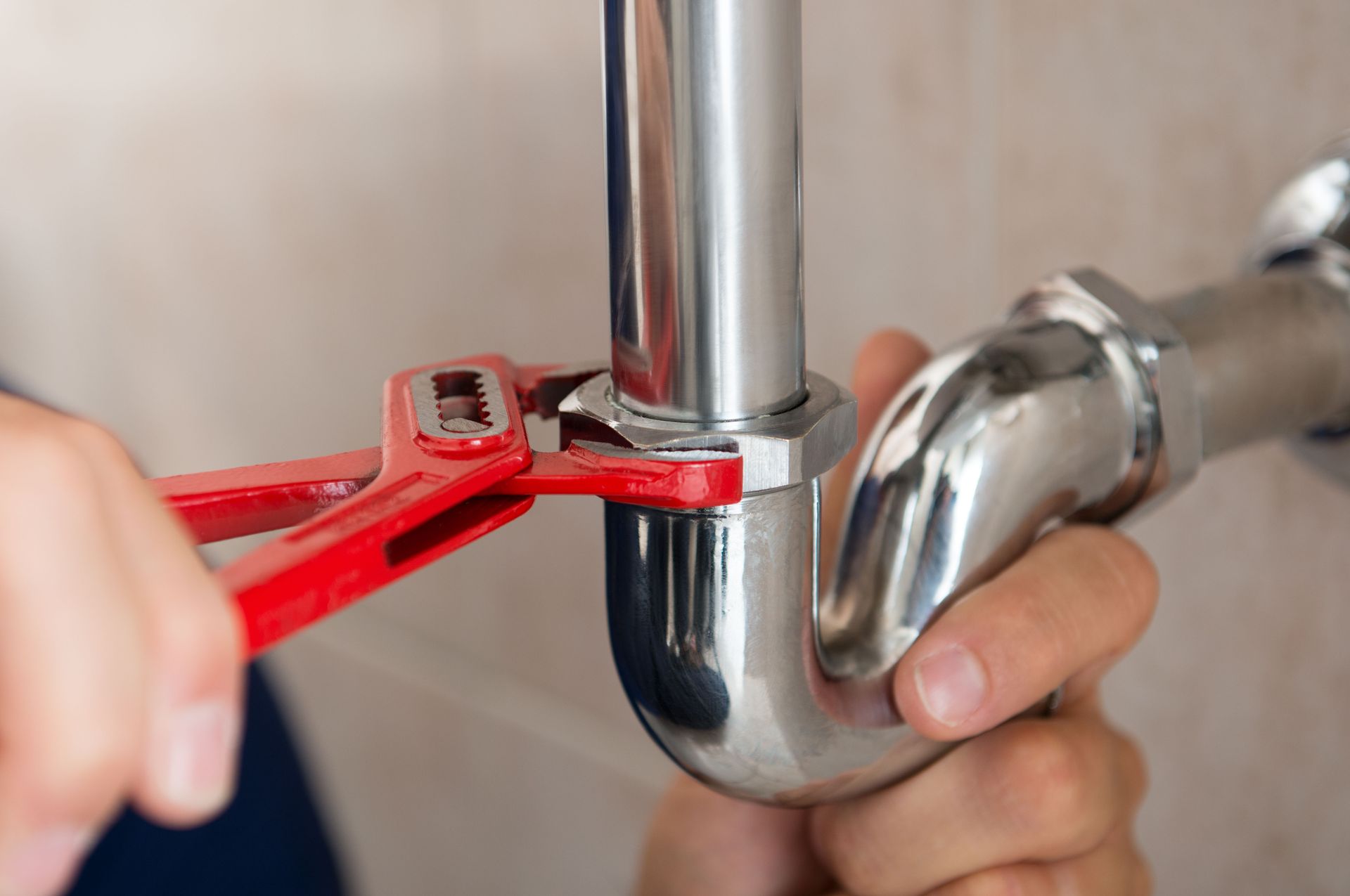
Proper maintenance and preparation of your home’s plumbing system are essential as colder winter temperatures approach. Each season brings its own challenges, and winter conditions can place added stress on pipes, fixtures, and water lines if they are not properly protected, which is why many homeowners rely on local plumbers for seasonal guidance. This article offers comprehensive guidance to help safeguard your plumbing system against freezing temperatures, pressure changes, and unexpected breakdowns during the winter months. Failing to prepare your home’s plumbing can result in costly issues such as burst pipes, extensive water damage, and higher utility bills, concerns often addressed by experienced local plumbers. According to Hippo, sixty-six percent of homeowners experience summer plumbing issues, with twenty-seven percent reporting property damage, twenty-nine percent experiencing spikes in their water bills, and thirty-one percent facing daily disruptions. These statistics underscore the vulnerability of plumbing systems throughout the year, making proactive winter preparation particularly crucial and a common recommendation from local plumbers.
Preparing Your Plumbing for Winter
Insulating Pipes
It is essential to insulate your pipes during winter to prevent them from freezing and potentially bursting. This is especially crucial for pipes located in unheated areas like basements, attics, and garages. Using foam pipe insulation or heating tape can effectively protect against the cold, a solution frequently suggested by local plumbers. In addition to insulation, keeping your thermostat at a consistent temperature helps maintain warmth throughout your home, reducing the risk of freezing. Properly insulated pipes not only prevent damage but also help in conserving energy, leading to lower heating bills during the winter months.
Preventing Pipe Bursts
Pipe bursts occur when frozen water expands within pipes, causing them to crack. To prevent this, allow faucets to drip slightly during extreme cold weather as running water is less likely to freeze. Additionally, open cabinet doors to allow warm air to circulate pipes. Make sure to seal any leaks letting cold air in, especially around windows and door frames. Scheduling regular inspections with a professional plumber can also help identify vulnerable areas that might be prone to freezing, a task commonly handled by local plumbers.
Winterizing Outdoor Faucets
Properly shutting off and insulating outdoor faucets is crucial to prevent freezing and subsequent damage. Start by disconnecting any attached hoses and draining them completely before storing them indoors. Next, turn off the water supply to outdoor spigots and drain the remaining water from the pipes. Covering the faucet with an insulated cover adds an extra layer of protection against freezing temperatures. Neglecting this step can lead to water line bursts which can be costly and damaging to your property.
Maintaining Water Heater Efficiency
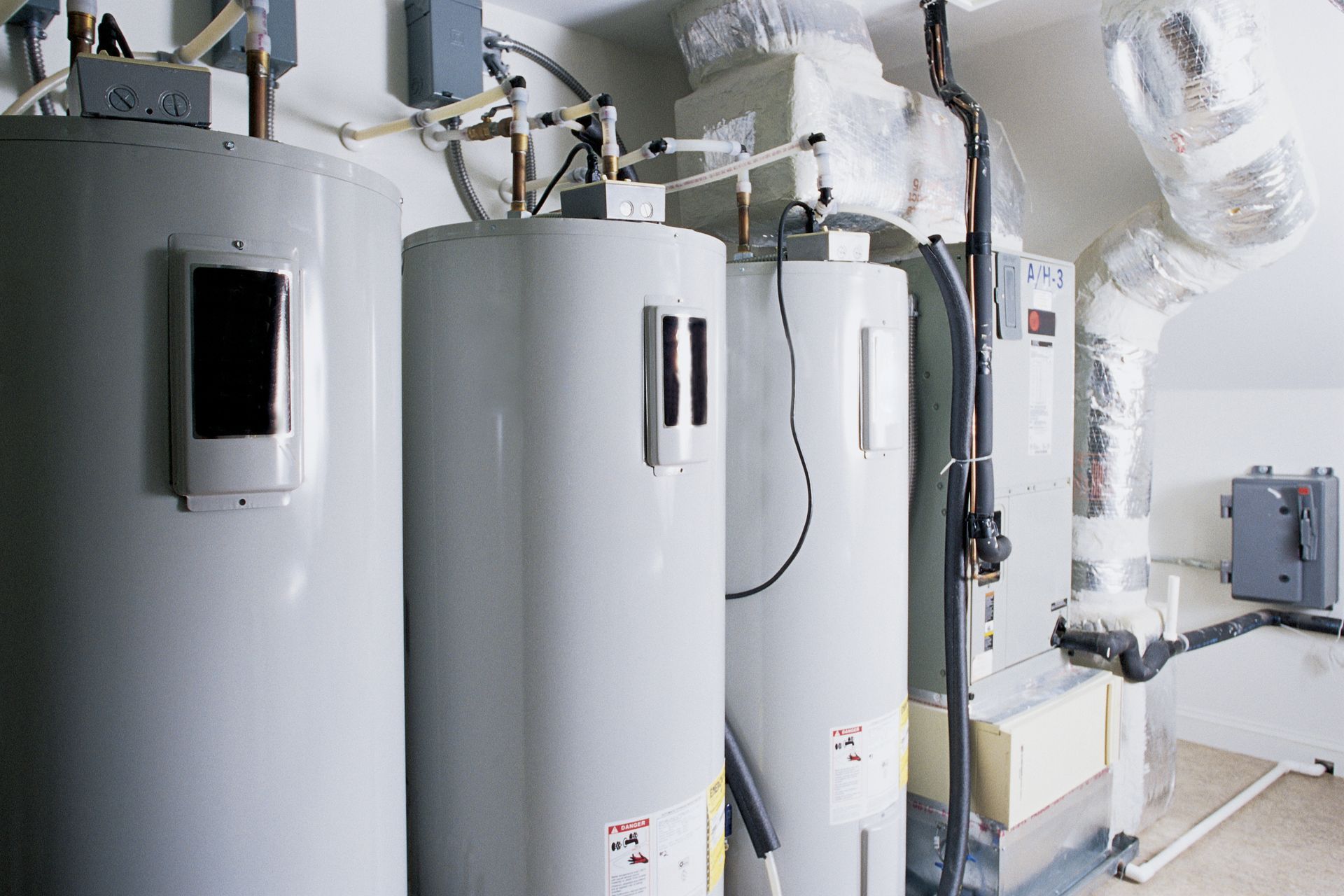
Ensuring your water heater is functioning efficiently is essential during the winter months. Consider having your water heater serviced by a professional before the onset of cold weather to ensure it’s in optimal condition. Lowering the thermostat setting on the water heater to 120°F can help save energy while providing ample hot water. Regularly flushing the tank to remove sediment build-up can extend the lifespan of your water heater. Installing an insulating jacket on the water heater can also reduce heat loss and improve energy efficiency.
Checking for Leaks and Drafts
Identifying and addressing leaks or drafts early can prevent them from aggravating winter plumbing challenges. Conduct regular checks for drips in sinks and showers, and fix any detected leaks promptly. Examine seals around windows and doors, applying weather stripping or caulk where needed to prevent drafts. Not only does sealing leaks help in maintaining a warmer home, but it also improves overall energy efficiency. By addressing these issues, you can avoid excessive energy bills and safeguard your home from potential water damage.
Addressing Common Winter Plumbing Problems
Identifying Frozen Pipes
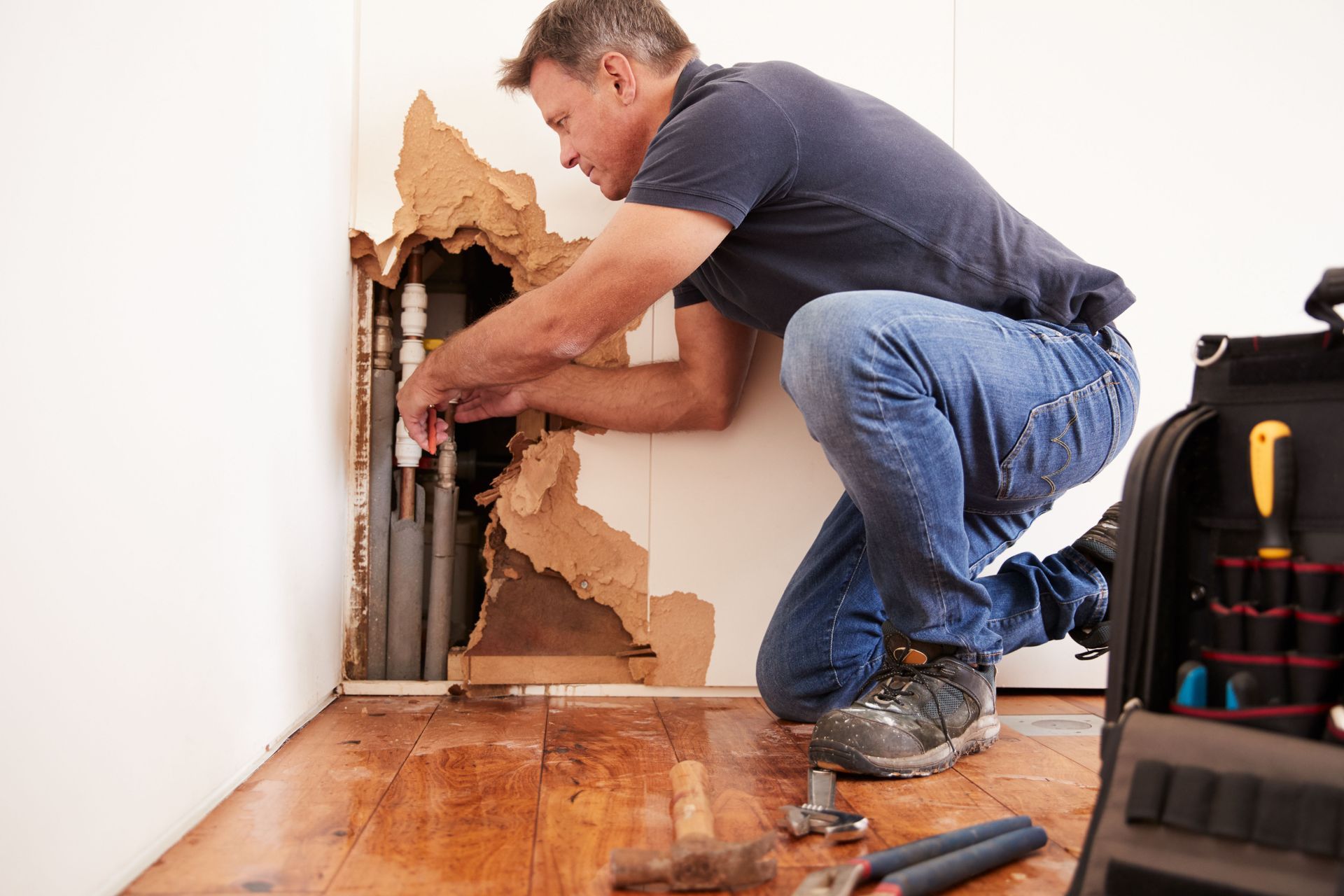
Frozen pipes are one of the most common winter plumbing problems, as they can lead to bursts and significant water damage. To detect frozen pipes, look for reduced or no water flow from faucets, or visible frost accumulation on exposed pipes. If you suspect a pipe is frozen, apply gentle heat using a hairdryer or heating pad to thaw it safely. Never use an open flame as it poses a fire hazard and can damage your pipes. Preventative measures like pipe insulation can significantly reduce the risk of freezing.
Resolving Boiler Issues
Boilers are critical for heat and hot water during winter, and malfunctions can cause severe discomfort. Common issues include low pressure, pilot light problems, or strange noises. Regular boiler servicing can prevent these problems by ensuring components are in proper working order. If issues arise, consult a qualified technician to diagnose and repair the boiler promptly. Proper maintenance not only prolongs the lifespan of the boiler but also ensures energy efficiency and safety.
Managing Flooded Basements
Heavy snowfall and rain can lead to basement flooding, causing damage to property and possessions. Immediate action is necessary to mitigate water damage, starting with turning off the power supply to the flooded area. Use a pump or wet-dry vacuum to remove water, and then dry the area thoroughly to prevent mold growth. Regularly clean and inspect your gutters and downspouts to ensure they are directing water away from your foundation. Installing a sump pump can effectively manage excess water, protecting your home from flooding.
Fixing Low Water Pressure
Low water pressure during winter can be frustrating and is typically caused by leaks or build-up within the plumbing system. Begin by checking for any visible leaks and ensure that the main shutoff valve is fully open. If the issue persists, sediment build-up in pipes might be the culprit, requiring professional cleaning services. Frozen pipes can also lead to diminished water pressure, necessitating prompt thawing actions. Consistent pressure issues may require a plumber to assess and resolve underlying problems.
Cleaning Drains and Gutters
Drains and gutters often collect debris during the fall and if left uncleaned, can cause clogs in winter. Regular cleaning helps maintain efficient drainage, preventing water from pooling and freezing. Inspect and clear leaves, dirt, and other debris from gutters and downspouts, ensuring water is directed away from your home. Install gutter guards to minimize clogging and reduce maintenance needs. Proper drainage management safeguards your home's foundation and prevents ice dams from forming on your roof.
Applying Eco-Friendly Plumbing Practices for Winter
Utilizing Rainwater Collection
Setting up a rainwater harvesting system can provide an eco-friendly solution for garden irrigation needs. Collect rainwater from roof gutters into storage barrels and use it to water plants or wash vehicles. Ensure that the storage system is covered to prevent mosquito breeding and evaporation. Utilizing rainwater reduces reliance on municipal water supplies and can lower water bills. This sustainable practice helps conserve valuable water resources and promotes self-sufficiency.
Maintaining Plumbing Appliances
Routine checks of plumbing appliances are essential to ensure they run efficiently and last longer. Schedule regular servicing of water heaters, dishwashers, and washing machines to spot potential issues early. Replacing worn parts before they fail can prevent major appliance breakdowns. Keeping appliances in good condition not only saves energy and water but also reduces the likelihood of costly repairs. Adopting regular maintenance routines ensures reliability and extends the lifespan of your appliances.
Preparing your plumbing system for winter is one of the most effective ways to protect your home from unexpected damage, costly repairs, and unnecessary disruptions. By insulating pipes, addressing potential problem areas early, and practicing efficient water use, homeowners can maintain reliable performance throughout the cold season while improving long-term efficiency. Proactive care not only preserves your plumbing but also provides peace of mind during harsh winter conditions. If you want professional guidance or need help winterizing your plumbing system, contact Trails End Plumbing to schedule an inspection with trusted local plumbers and ensure your home is fully prepared for the months ahead.

Share On: