
6 Ways a Local Plumber Will Address Household Leaks
By Frank Francis | April 22, 2026
Household leaks are not only a nuisance but can also lead to significant damage if not addressed promptly. Skilled plumbers have various ways to tackle leaks, ranging from high-tech detection to structural restoration. This article delves into the strategies and methods used by a local plumber to manage and mitigate leaks in homes. By understanding these techniques, homeowners can appreciate the comprehensive nature of plumbing services. The importance of tackling leaks efficiently cannot be overstated, considering the financial and structural implications involved in the United States.
1. Identifying the Source of the Leak
The first step a plumber takes when addressing leaks is conducting a thorough initial inspection and assessment. This involves understanding the layout of the home's plumbing system. By examining visible and accessible areas, plumbers can gauge the extent of the leakage. It’s also crucial for plumbers to communicate with homeowners about any noticeable issues or recent changes in water consumption. According to RubyHome, 10% of households with leaks lose 90 gallons or more of water every day, highlighting the urgency of these assessments.
Utilizing Leak Detection Technology
Advanced leak detection technology plays a pivotal role in modern plumbing. Tools such as acoustic sensors and infrared cameras allow a local plumber to pinpoint leaks without invasive procedures. This technology is especially valuable for locating leaks in hard-to-reach areas, like beneath floors or within walls. By precisely identifying leak locations, plumbers minimize the disruption and potential damage to the home structure. The result is a faster, more efficient approach to leak management and repair.
Checking Common Leak-Prone Areas
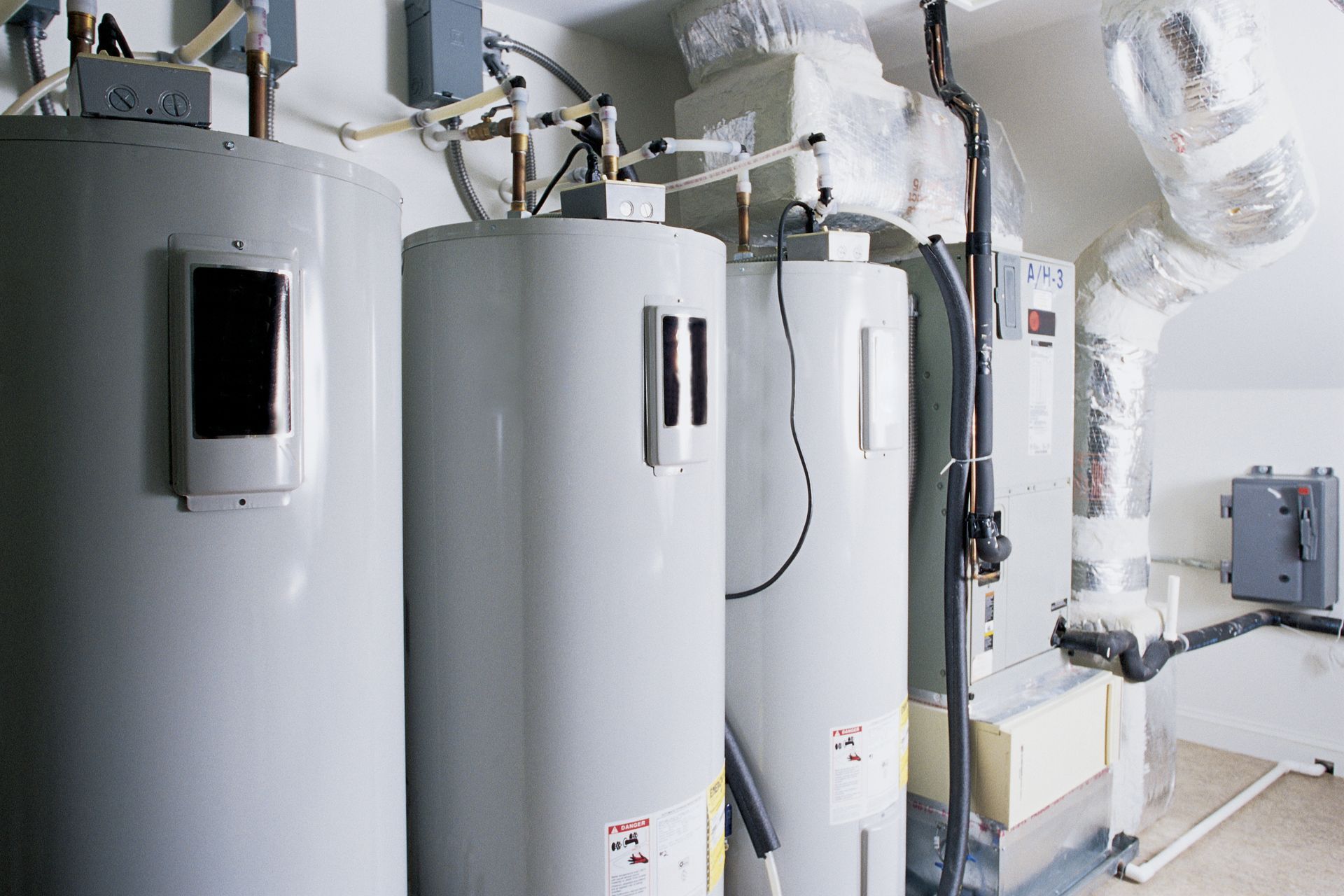
Experienced plumbers know that certain areas are more prone to leaks and make these zones a priority during inspections. Kitchens, bathrooms, and basements are usual suspects due to the concentration of water fixtures and piping. Sinks, toilets, and water heaters often develop minor leaks that can go unnoticed. By regularly checking these areas, plumbers can address leaks before they escalate into major issues.
Understanding Pipe and Material Corrosion
Corrosion is a common cause of leaks, and understanding its signs is vital for effective leak management. Plumbers are trained to recognize the early stages of corrosion, which may manifest as discoloration or rust on pipes. Plumbers need to assess the materials used in the home's plumbing system to determine its vulnerability. Some metal pipes, for example, are more susceptible than others.
2. Repairing Pipe Leaks
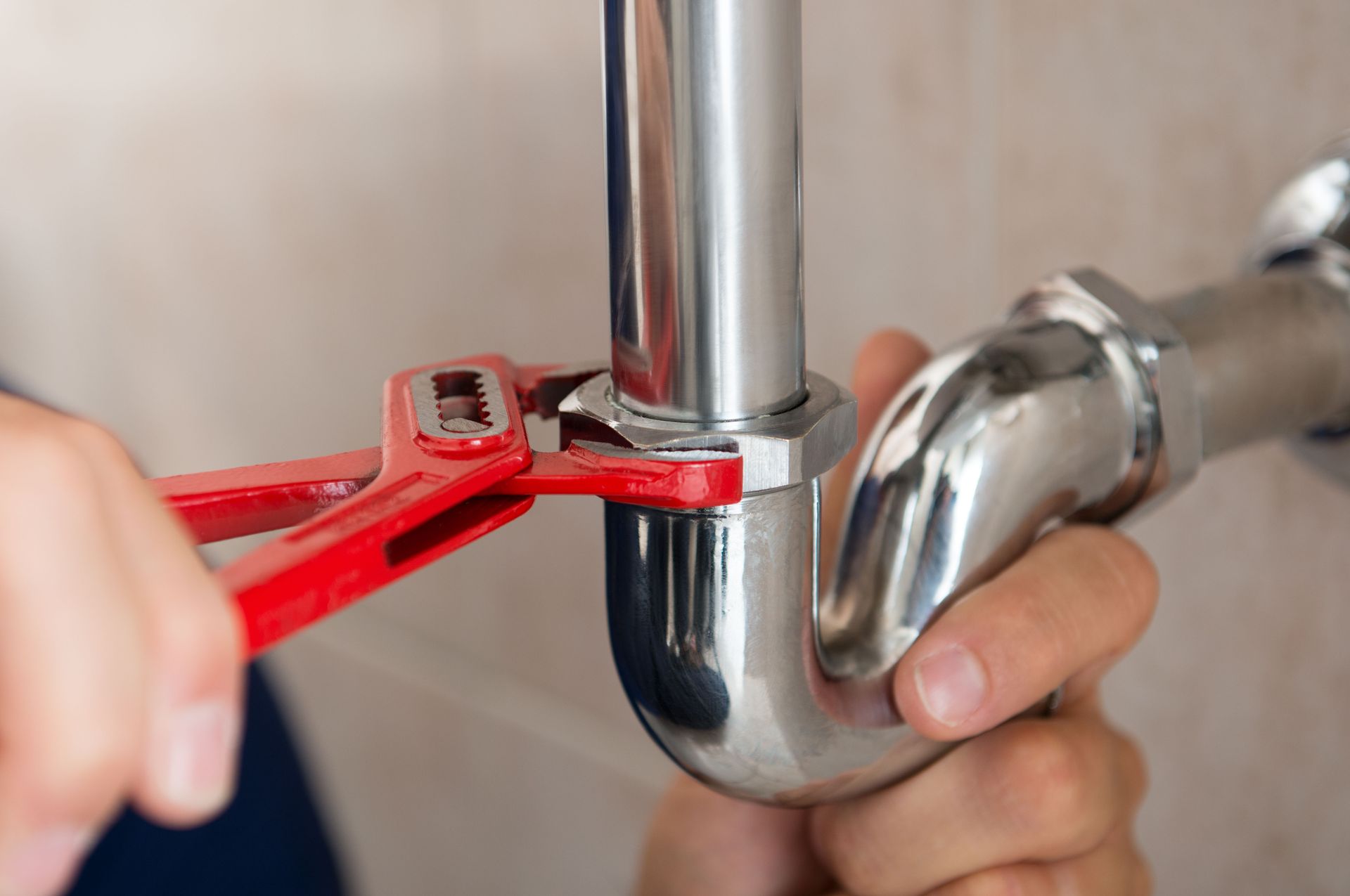
When pipes are beyond repair, replacement is often the only viable option. Plumbers cut out the damaged section and replace it with a new, compatible piece, maintaining system integrity. Depending on the pipe's location and material—be it copper, PEX, or PVC—different techniques and tools are used for this task. By replacing compromised sections proactively, plumbers enhance the longevity and reliability of the entire plumbing system.
Sealing Minor Cracks and Pinholes
Not all leaks require such extensive repairs; minor cracks and pinholes can often be sealed quite effectively. Plumbers might use sealants or professional-grade tape designed for plumbing repairs. The application of such products requires precision to ensure a thorough seal. These solutions, when applied properly, provide a strong, longer-lasting repair for minor leaks.
Employing Cutting-Edge Repair Techniques
Plumbing technology has advanced, and modern repair techniques are more efficient and effective than ever. Trenchless pipe repair or pipe relining is an example where disruptive digging is not necessary, which is a major benefit for homeowners.
Using methods like these, a local plumber can complete repairs in less time and with less impact on the home environment. Adoption of such innovative techniques signifies the evolving nature of plumbing services in the United States.
3. Fixing Fixture Leaks
Faucet drips are one of the most common types of household leaks and can significantly impact water bills. Plumbers start by inspecting the faucet's internal components to identify worn-out washers, O-rings, or ceramic cartridges. Replacing these small parts can restore the faucet's functionality and stop the waste of water.
Repairing Leaky Toilets
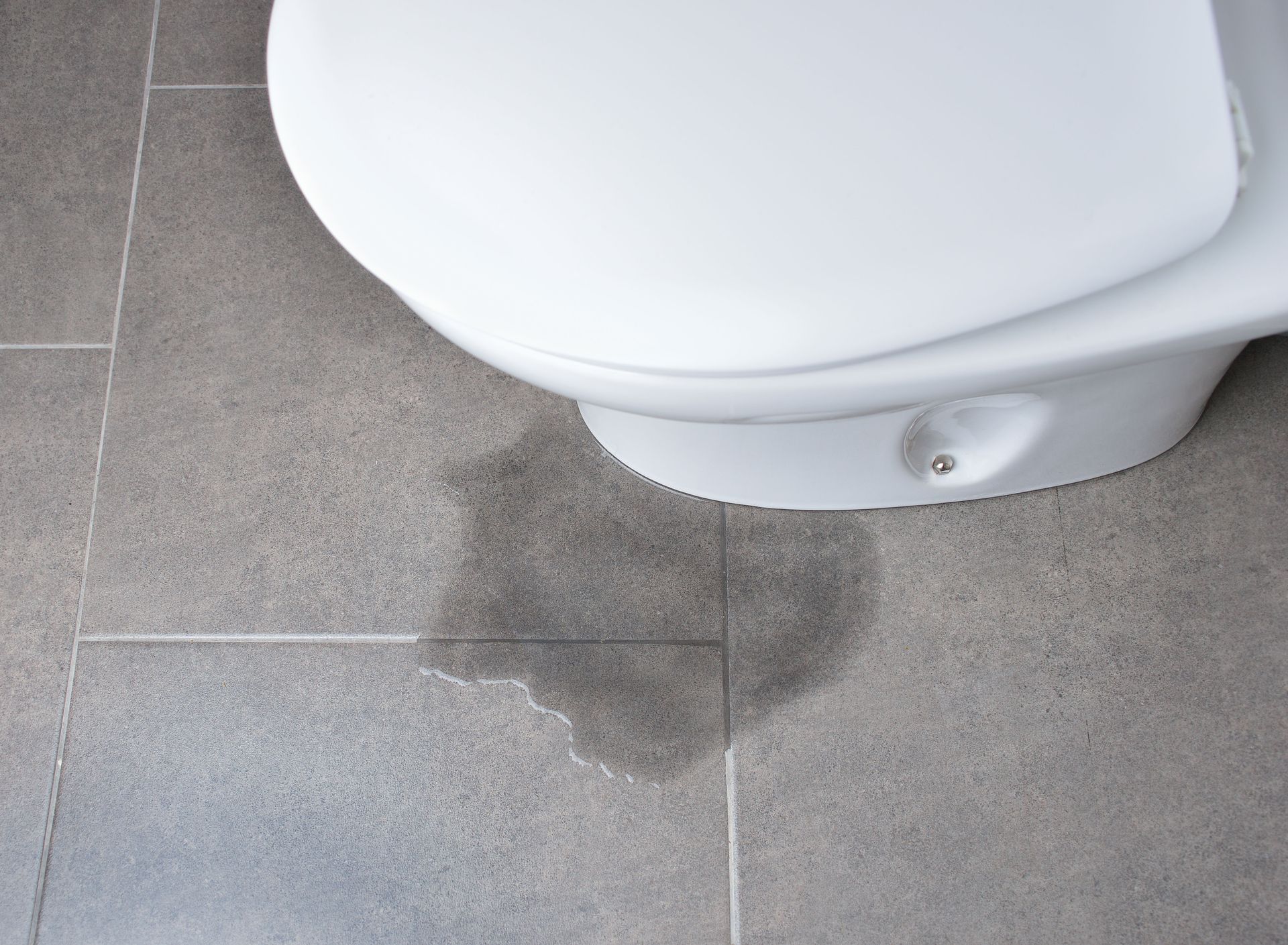
Leaky toilets can lead to extensive water wastage and increased utility bills over time. Plumbers assess the toilet tank and bowl for cracks, worn seals, or faulty flappers. By replacing or adjusting these components, plumbers can effectively stop the leak. Properly functioning toilets are not only essential for water conservation but also for maintaining a hygienic household.
Solving Shower Head and Bathtub Leaks
Leaks in shower heads or bathtubs typically occur due to worn-out gaskets or poor connections. Plumbers check these components to determine the cause. Applying sealants or replacing faulty parts can often resolve the issue efficiently. Fixing such leaks is crucial as they can lead to damage beneath tiles or in surrounding walls, potentially resulting in mold growth.
4. Preventing Future Leaks
Regular maintenance checks are essential in preventing future leaks. Plumbers offer scheduled inspections that help in identifying potential problems before they manifest. This preventive approach is cost-effective in the long run, sparing homeowners from emergency repairs. During these checks, plumbers assess various components of the plumbing system, looking for signs of wear and weakness.
Upgrading to Leak-Resistant Materials
Advancements in plumbing materials have introduced options that are more resistant to leaks. Plumbers recommend and install these improved materials, such as PEX piping, which is flexible and has fewer joints. Modern fixtures are also designed with durability in mind. By upgrading older systems, homeowners can enjoy greater peace of mind.
Installing Water Softening Systems
Hard water contains minerals that can build up and accelerate wear and tear on plumbing systems, leading to leaks. Installing a water softening system can reduce such risks by removing excess calcium and magnesium. A local plumber can assess water hardness and recommend appropriate systems tailored to specific needs. These systems protect plumbing components and improve water quality simultaneously.
5. Addressing Leak-Related Water Damage
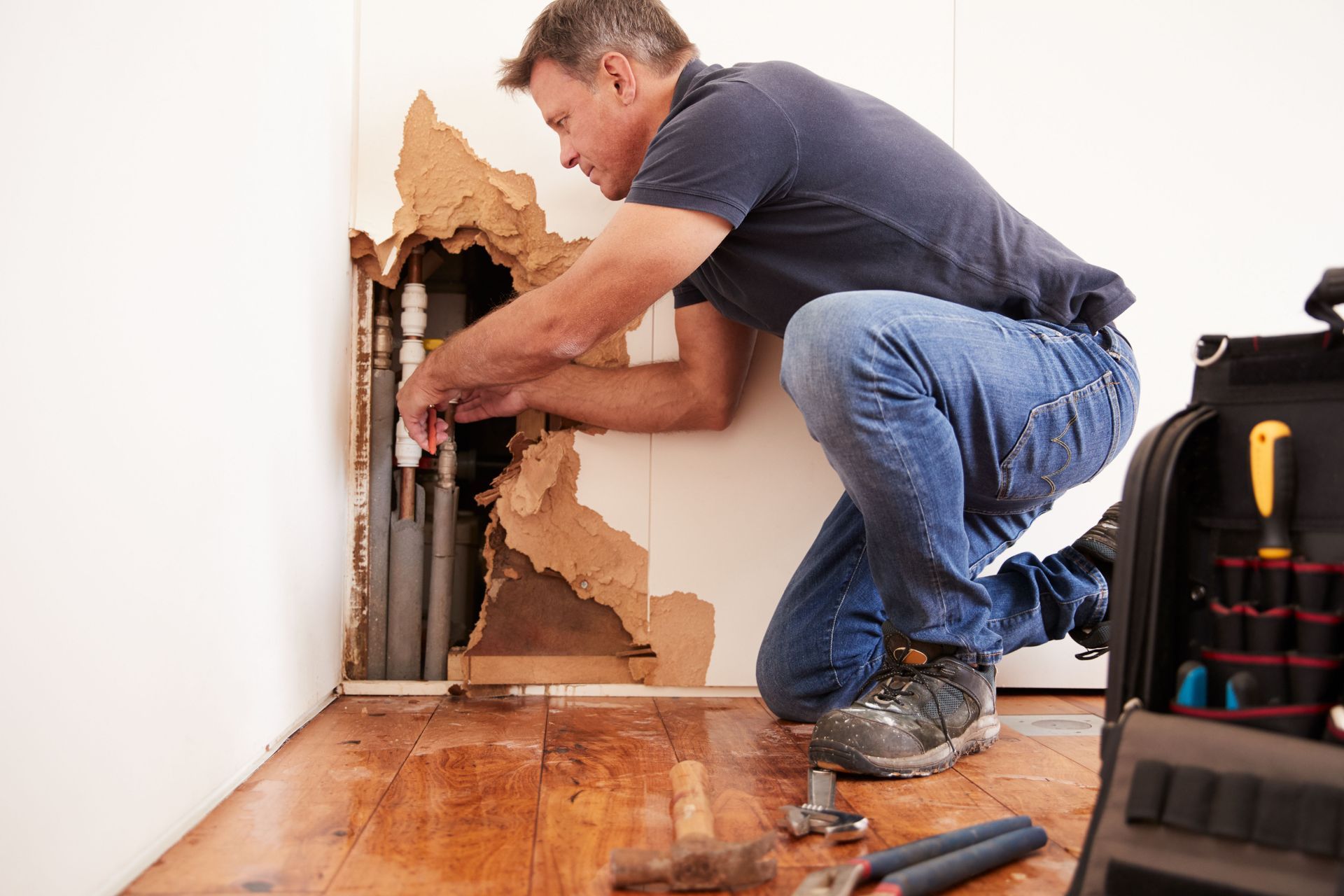
Once a leak occurs, identifying affected areas quickly is vital to mitigating damage. Plumbers are trained to assess the extent of water spread, checking for damp floors, discolored walls, or mold growth. Timely identification allows for a more effective response, limiting the impact on a home’s structure.
Drying Out Water-Damaged Sections
Once affected areas are identified, drying them promptly is crucial. Plumbers use high-powered fans and dehumidifiers to dry out damp areas quickly. This process prevents mold growth and mitigates long-term damage to the home’s structure. Thorough drying is key to restoring the area to its original state.
Restoring Structural Integrity
After addressing the immediate effects of water damage, restoration of structural integrity is necessary. Plumbers might collaborate with builders or restoration experts to repair weakened areas. This process can include replacing damaged beams or repairing drywall. Ensuring that the structure is sound post-repair is crucial for safety.
6. Working With Homeowners Insurance
Properly documenting the leak and resulting damage is crucial for insurance claims. A local plumber plays a key role in this process, providing detailed descriptions and photographs. Showing a clear record of the damage supports insurance claims and can expedite the approval process.
Navigating the Claims Process
The process of filing an insurance claim can be daunting. Experienced plumbers often collaborate with homeowners, guiding them through the intricacies of claim submission. Plumbers can help articulate the scope of necessary repairs, making insurance claims more compelling. This support helps homeowners minimize personal costs.
Partnering With Insurers for Repairs
Collaboration between plumbers and insurers ensures seamless integration of repair services. Plumbers can facilitate communication with insurance adjusters to validate claims. By providing accurate repair estimates and timelines, they assist both parties in agreeing on appropriate compensation.
When faced with household leaks, a local plumber offers a wealth of experience and practical solutions that extend beyond simple repairs. By identifying the source, repairing efficiently, implementing preventative measures, addressing water damage, and coordinating with insurance companies, plumbers help safeguard homes.
Understanding the importance of proactive leak management allows for significant savings and enhanced home protection. Engaging skilled professionals is a sound investment for anyone seeking to maintain a leak-free, efficient home. If you suspect a hidden leak or simply want to protect your property with a system inspection, contact Trails End Plumbing today. Our team is ready to serve as your dedicated local plumber, providing the high-quality care and technical expertise your home requires.

Share On: