
4 Signs You Need to Replace Your Water Heater
By Frank Francis | August 14, 2026
We often take home comfort for granted until a cold shower ruins an otherwise peaceful morning. Most homeowners rarely think about their water heater while it sits quietly in a basement doing its daily job. However, like any major appliance, these systems eventually reach the end of their functional lifespan. Knowing when to upgrade your equipment can save you from catastrophic leaks, costly repairs, and unexpected ice-cold baths.
Recognizing early warning indicators allows you to schedule a replacement on your own timeline rather than during an emergency. Calling a professional plumbing service at the first sign of trouble gives you time to research efficient replacements and budget accordingly. Proactive maintenance and timely upgrades ensure your household enjoys a continuous supply of clean, warm water year-round. Ignoring subtle clues, on the other hand, almost always leads to bigger headaches down the road.
While minor issues can occasionally be fixed with a quick repair, certain red flags signal that a unit has outlived its usefulness. Modern units offer far greater energy efficiency and superior reliability compared to models installed a decade ago. In this guide, we will explore four key signs that indicate it is time to shop for a replacement system. Paying attention to these warning signs will keep your home safe, comfortable, and efficient.
1. Age of Your Existing Unit
The age of your heating system is one of the most reliable indicators of whether an upgrade is imminent. Traditional tank-style systems generally last between eight and twelve years under normal residential operating conditions. If your system is approaching or past this threshold, performance will inevitably decline regardless of how well you maintain it. Planning a replacement before total failure occurs prevents unscheduled downtime and severe water damage to your property.
According to HomeGuide, homeowners should consider replacing their water heater if it has been operating for more than 10 years or if fixing it would exceed 50% of the price of buying a brand-new unit. Continuing to invest money into an ancient appliance quickly becomes a losing financial strategy. Scheduling an evaluation with a trusted plumbing service can help you determine the true age and condition of your internal components. Their expert assessment will clarify whether a minor fix or a full installation makes the most sense.
You can easily check the age of your system by examining the manufacturer label located on the side of the tank. This serial number usually contains a date code where the first few characters represent the month and year of manufacture. If the sticker is faded, damaged, or unreadable, a licensed plumbing service technician can look up the model details for you. Upgrading an outdated unit before it breaks down completely saves money on utility bills while restoring your peace of mind.
2. Discoloration in Your Tap Water
When you turn on your hot water faucet, the water flowing into your sink or tub should always be clear. If you notice a brownish, rusty, or hazy tint coming exclusively from the hot tap, your internal tank is likely corroding. Sacrificial anode rods inside the tank are designed to attract corrosive elements, but once those rods deteriorate, the steel lining begins to rust. Once rust takes over the inner wall, structural failure and subsequent flooding are usually not far behind.
It is important to determine whether the rusty water is originating from your storage tank or from main supply pipes. Running cold water for a few minutes can help isolate the source of the discoloration. If cold water runs entirely clear while hot water remains rusty, the heating unit itself is almost certainly the culprit. Contacting a reliable plumbing service to inspect internal components will confirm if corrosion has progressed past the point of saving.
In addition to discoloration, corroded tanks often produce water with an unpleasant metallic taste or a foul odor. These sensory changes indicate that sediment and biological buildup are degrading water quality inside your system. Flushing the tank might temporarily remove loose debris, but it cannot reverse internal metal deterioration once severe rust sets in. Replacing the compromised unit ensures that your household receives clean water for cooking, bathing, and cleaning.
3. Noises Coming From the Tank
As storage tanks age, mineral deposits and hard water sediment naturally accumulate along the bottom of the vessel. Over time, this layer of sediment hardens under continuous heating cycles, creating a solid barrier between burner and water. As water beneath this scale boils, it produces loud popping or rumbling noises whenever the heating cycle starts. These disturbing sounds are a clear signal that your system is working far harder than designed.
Excessive sediment buildup acts as an insulating layer, trapping heat and causing the tank bottom to overheat dramatically. This severe thermal stress weakens the structural integrity of the metal, making micro-fractures much more likely to develop. Furthermore, the extra effort required to heat water through thick scale reduces energy efficiency and spikes utility bills. Booking a comprehensive plumbing service inspection can help evaluate whether flushing the tank will resolve the noise or if replacement is necessary.
If noisy operations are accompanied by long wait times for hot water, heating elements are likely failing under strain. Routine flushing can prevent minor sediment build-up when performed regularly from the day of installation. However, once sediment has baked into a rock-hard layer, drain valves often clog and flushing is no longer effective. At this stage, replacing the appliance with a modern energy-efficient model is usually the safest and most economical path forward.
4. Leaks Surrounding the Base
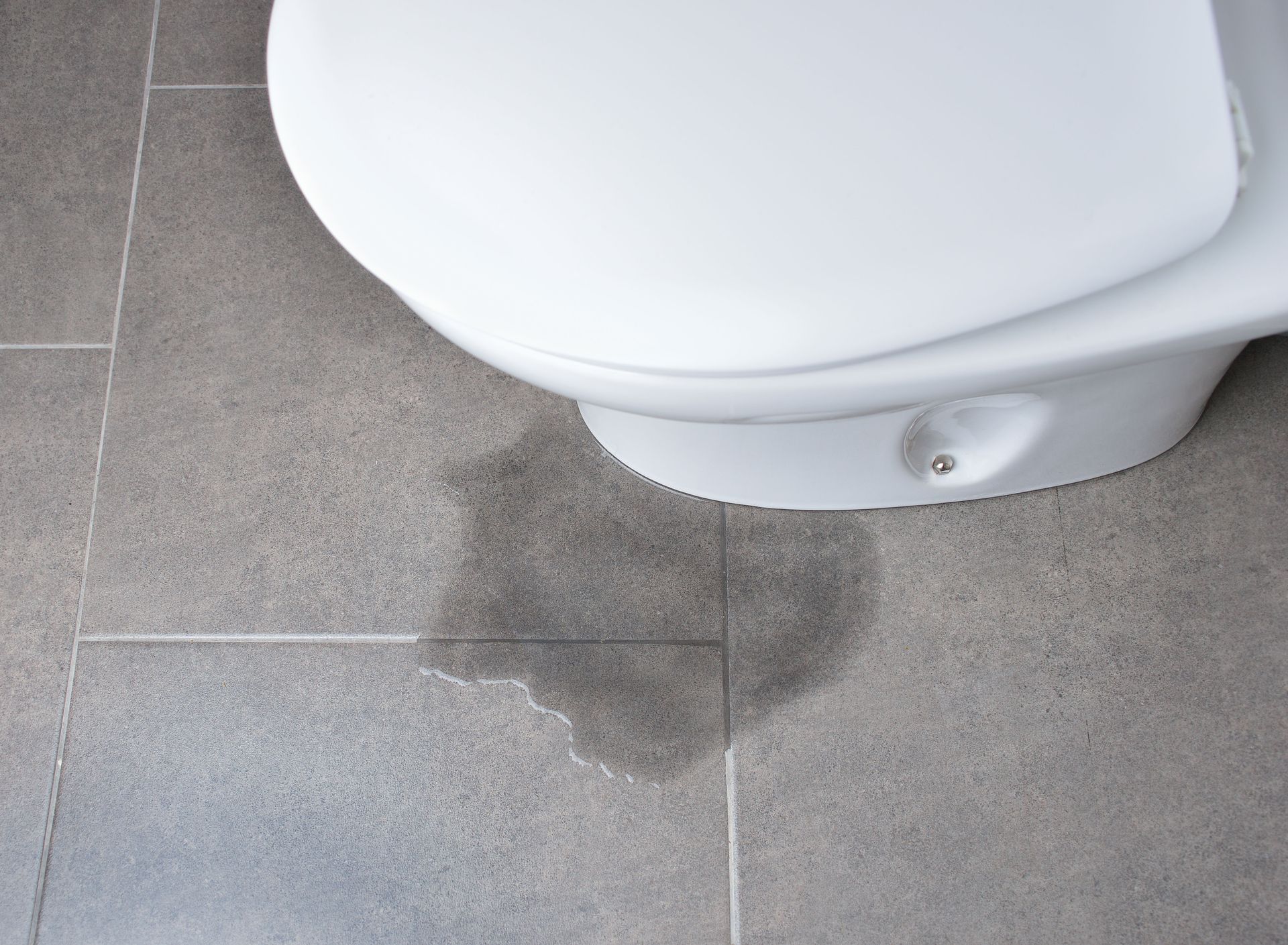
Finding standing water or pooling moisture around the base of your heater is one of the most urgent warning signs. While minor moisture can sometimes be traced to a loose fitting or relief valve, active tank leaks are unfixable. As metal expands when heated and contracts when cooling, microscopic cracks in the inner lining expand over time until water escapes. A leaking tank cannot be patched or welded safely, making immediate system replacement an absolute necessity.
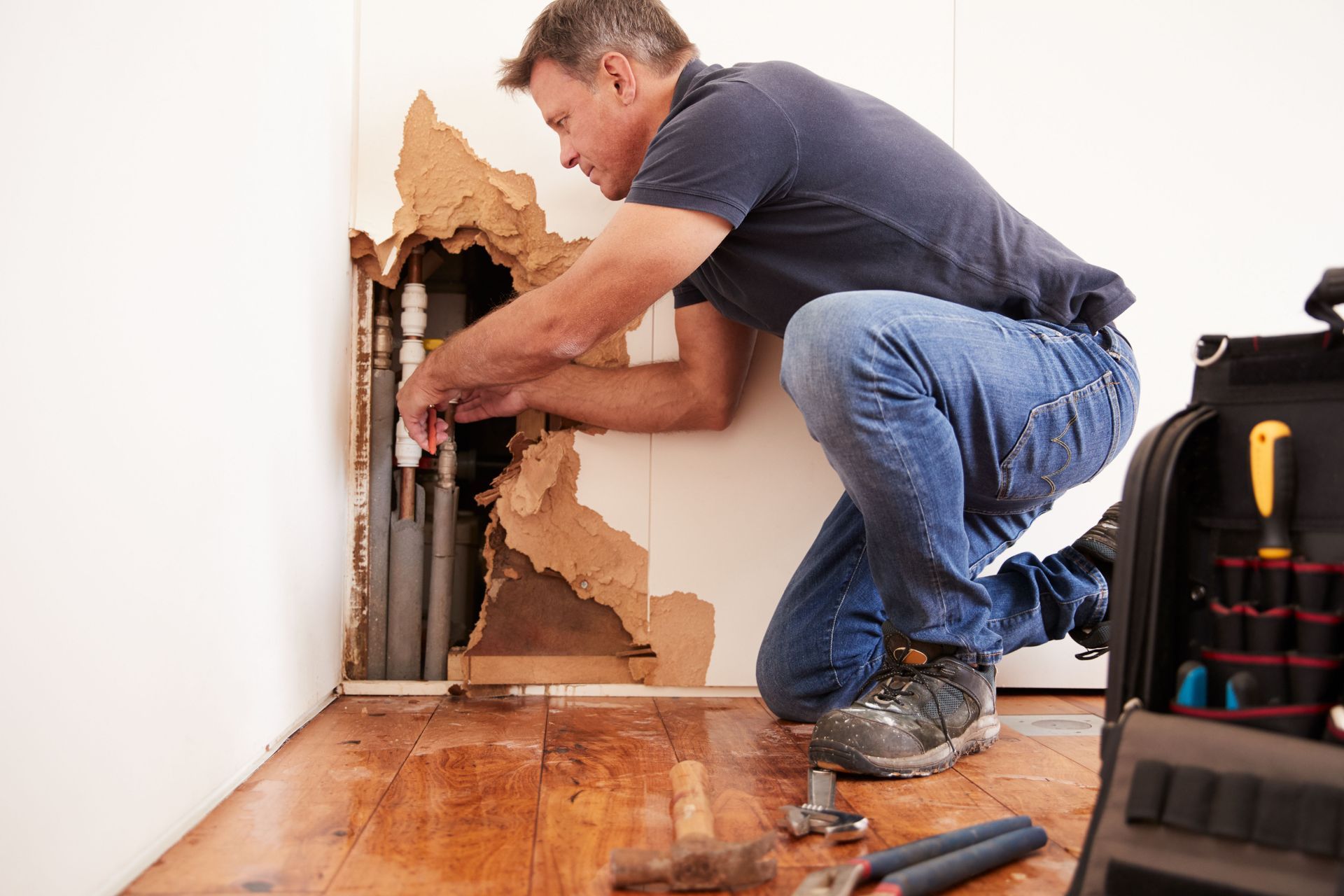
Ignoring even tiny puddles near your appliance can quickly lead to severe structural damage, wood rot, and dangerous mold growth. Unchecked water leaks can seep into subflooring and nearby walls, turning a simple replacement into an expensive renovation project. Securing a timely plumbing service appointment allows experts to identify the exact source of the leak before major damage occurs. Fast intervention minimizes cleanup costs and protects your property from catastrophic flooding events.
Before assuming the worst, check all visible plumbing joints and fittings near the top and side of the unit. Condensation can also collect on exterior surfaces during heavy usage, leading to temporary dripping that is not caused by structural failure. However, if a professional plumbing service verifies that the leak originates from the tank body itself, you must replace the system right away. Installing a modern replacement restores safety and ensures your home remains protected against unexpected water damage.
Recognizing these four primary warning signs gives you the power to upgrade your equipment before a minor inconvenience turns into a major disaster. Whether you are dealing with aging equipment, discolored water, alarming noises, or active leaks, prompt action guarantees comfort and security. Partnering with a dedicated
plumbing service guarantees that your new system is sized correctly and installed according to local building codes. Investing in modern heating technology will deliver greater energy efficiency, lower monthly utility expenses, and reliable hot water for years to come.
When you are ready to replace your water heater, our experienced team at Trails End Plumbing is here to provide exceptional craftsmanship and dependable care. We take great pride in helping local homeowners select and install the perfect hot water system tailored to their specific household needs and budget. Contact us today to schedule your consultation and experience the highest standard of customer service in the industry.

Share On: